How to choose wine for your next yacht charter
Start with the people, not the wine list. A Master of Wine on building a cellar for a week at sea.
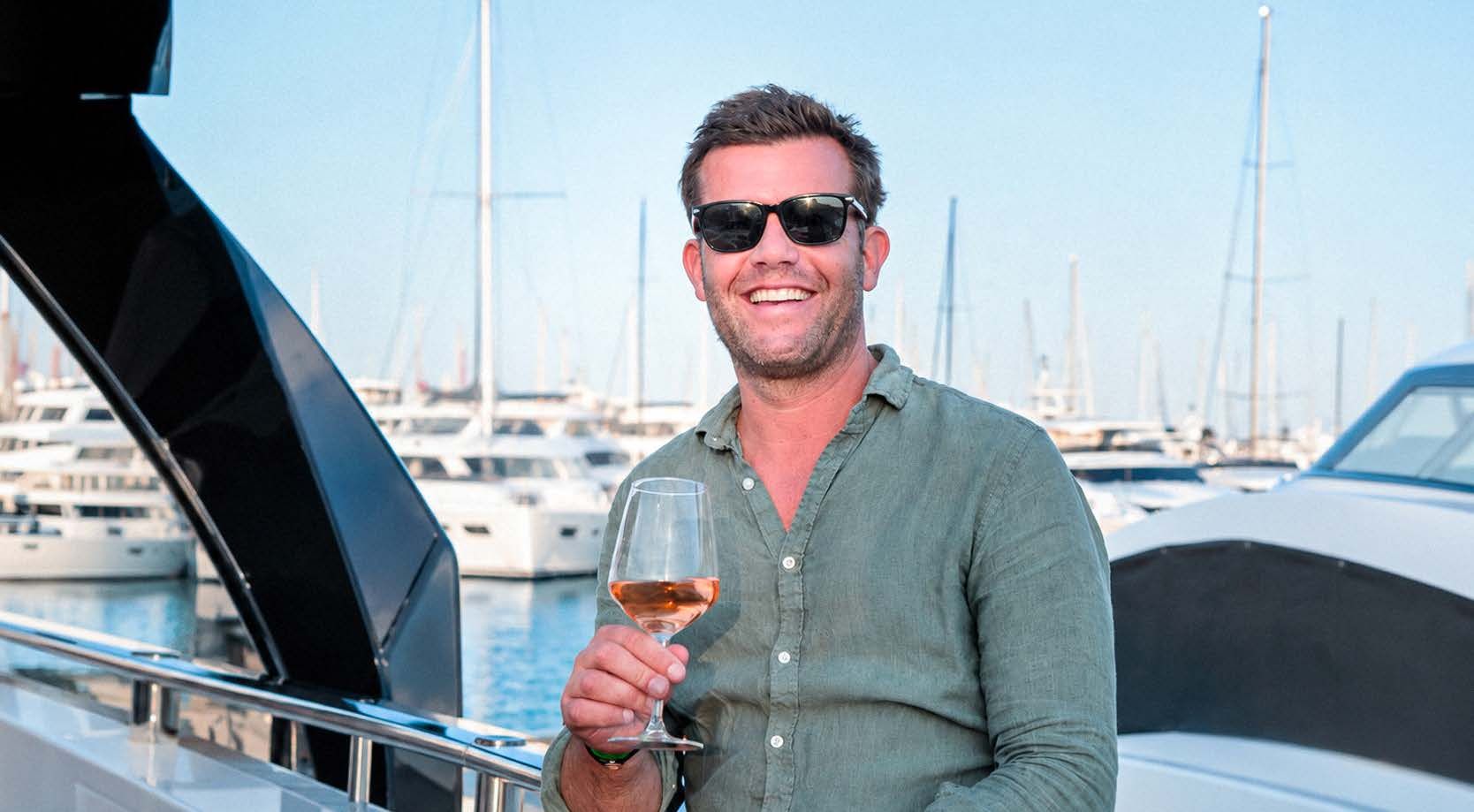
There are few greater pleasures than enjoying a beautiful bottle of wine on the deck of a yacht, watching the sun disappear over the Mediterranean. Over the years, I’ve had the privilege of selecting wines for some of the world’s most extraordinary yachts, and one thing I’ve learnt is that choosing wine for a charter is quite different from building a traditional wine cellar. The environment, the food, the guests and even the temperature all play a part. Get it right, and wine becomes one of the most memorable elements of the entire experience.
Start with the people, not the wine list
The first question I always ask is who will be on board. Are we entertaining a group of serious wine collectors, a family enjoying a summer holiday, or friends celebrating a special occasion? Understanding what people genuinely enjoy drinking is far more important than assembling a list of famous labels. I’ve seen extraordinary bottles of Bordeaux go untouched while a delicious, relatively inexpensive Provençal rosé disappears by the case. Great hospitality is about knowing your audience, not demonstrating how much you know about wine.
Think about where you’re going
Wine has a wonderful ability to connect us to a place, and I love building a selection around the cruising itinerary. If you’re exploring the Côte d’Azur, Provence rosé is almost obligatory, alongside great white Burgundy and the wonderfully refreshing wines of the Mediterranean coast. Cruising through Italy opens the door to the brilliant whites of Liguria, the reds of Tuscany and perhaps a few exceptional Super Tuscans for dinner. In Greece, I’d be looking at Assyrtiko from Santorini. Drinking local wines, particularly when paired with regional food, creates a sense of place that even the world’s most expensive bottles cannot replicate.
Champagne deserves particular attention
On most yachts, Champagne is probably the single most important wine category, and I always recommend having several different styles available. A beautifully made non-vintage Champagne is perfect for informal drinking throughout the day, while a great Blanc de Blancs works wonderfully with seafood and lighter dishes. Rosé Champagne is enormously popular on yachts, particularly during the summer, and for those special evenings I would always include a few prestige cuvées. There’s something rather magical about opening a bottle of Dom Pérignon or Cristal as the sun sets over the water.
Don’t underestimate rosé and white wine
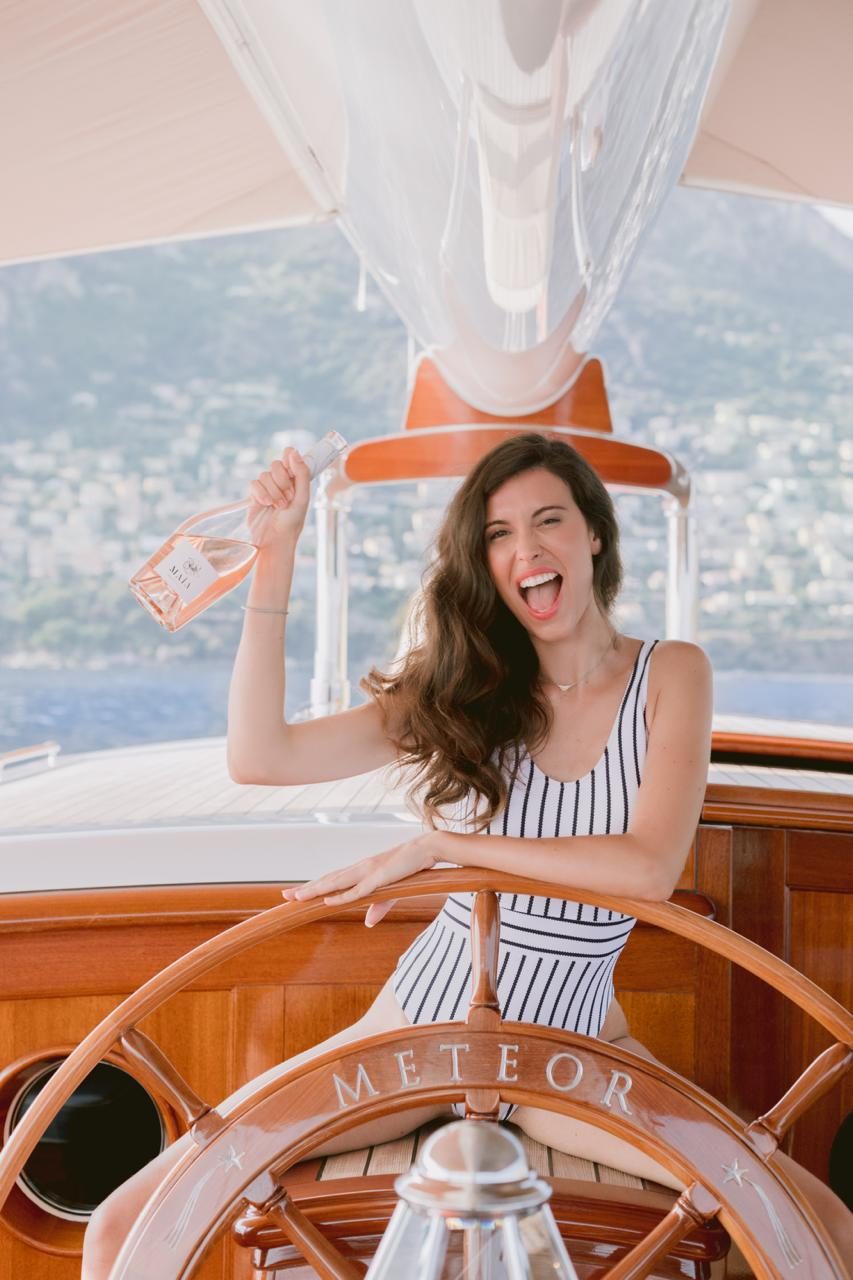
The reality of Mediterranean cruising is that people tend to drink lighter, fresher wines than they might at home. Provence rosé, particularly in magnums, is an essential part of any summer charter. For whites, I would build a selection around excellent Chablis, Sancerre, white Burgundy and perhaps a crisp Albariño or Vermentino. These are wines that work beautifully with seafood, sunshine and long lunches. Personally, I would rather have six outstanding white wines that guests genuinely enjoy than twenty obscure labels that nobody quite knows what to do with.
“The best wine on any yacht isn’t necessarily the most expensive bottle in the cellar. It’s the one that creates a memory.”
Red wine still has its place, but choose carefully
Even in the height of summer, there will always be guests who enjoy a serious red wine, particularly over dinner. I generally recommend a combination of elegant Pinot Noir from Burgundy, mature Bordeaux and a few great Italian wines, perhaps Sassicaia, Tignanello or a beautiful Barolo. The important thing is to avoid filling the cellar exclusively with powerful, heavily structured reds. On a warm evening, with Mediterranean food, elegance and freshness are often much more appealing than sheer concentration. And remember that lighter reds can benefit from being served slightly cool.
The practicalities matter more than you might imagine
Wine is a living product, and yachts present some unusual challenges. Temperature fluctuations, vibration, limited storage space and complicated international logistics can all affect the condition of a bottle. Provenance is particularly important when buying older or valuable wines. I would always recommend working with a specialist supplier who understands the yachting industry, can guarantee the storage history of the wines and knows how to deliver them safely, whether that’s in Monaco, St Tropez, Palma or the Caribbean. A €2,000 bottle of Burgundy is worthless as an experience if it arrives in poor condition.
Finally, remember that wine should be fun
Some of my favourite moments on yachts have involved spontaneous blind tastings, opening a remarkable bottle that nobody expected, or introducing guests to a small producer they’ve never encountered before. Wine shouldn’t feel intimidating or overly formal, particularly when everyone is on holiday. My advice is to build a cellar that combines familiar favourites with a handful of genuinely exciting discoveries, and make sure the crew feel confident talking about and serving them. Ultimately, the best wine on any yacht isn’t necessarily the most expensive bottle in the cellar. It’s the one that creates a memory.